There’s a moment every designer knows. You’re staring at a blank document, a stack of copy, and a deadline.
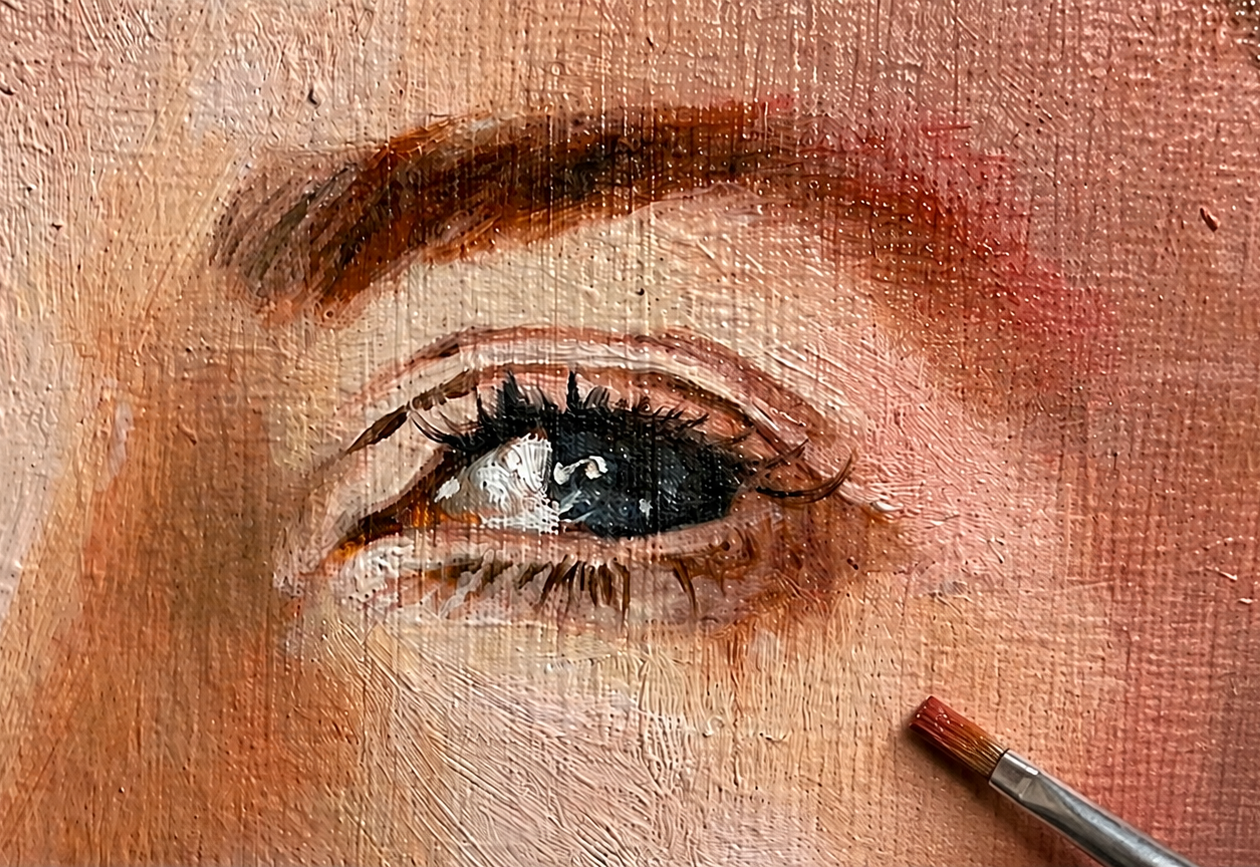
The weight of possibility feels exactly like standing in front of a bare canvas with a brush in your hand.
I’ve been painting long enough to recognize that paralysis and long enough to know it passes. Instinct kicks in. You stop reading the words and start feeling their weight. This belongs here. That needs room to breathe. You’re not arranging text anymore; you’re building a narrative. Shapes emerge from the noise. Light pushes forward, shadow recedes. You work it until the thing stops fighting you and starts making sense.
That’s design. And it’s not so different from art, but the line between them matters.
Design solves a problem. It has a job to do: guide the eye, communicate clearly, earn trust in three seconds or less. Art is personal. It tells a story without owing anyone an explanation. The best work lives right on that edge; functional enough to do its job, expressive enough to make you feel something.
Here’s what I keep coming back to lately: that edge is exactly where AI falls short.
AI can generate. It can optimize. It can approximate what “good” looks like based on everything that came before. But it can’t feel when something’s off. That subtle wrongness, a layout that technically follows every rule but still doesn’t sit right; that’s a human call. It’s the result of years spent training your eye, and no amount of pattern-matching can replicate it.
That instinct is still ours.